Physarum polycephalum
A single cell with no brain and not one neuron, yet it learns, holds on to what it learned and finds the shortest way through a maze. What slime mold really is, how to grow one at home, and what the experiments actually showed.
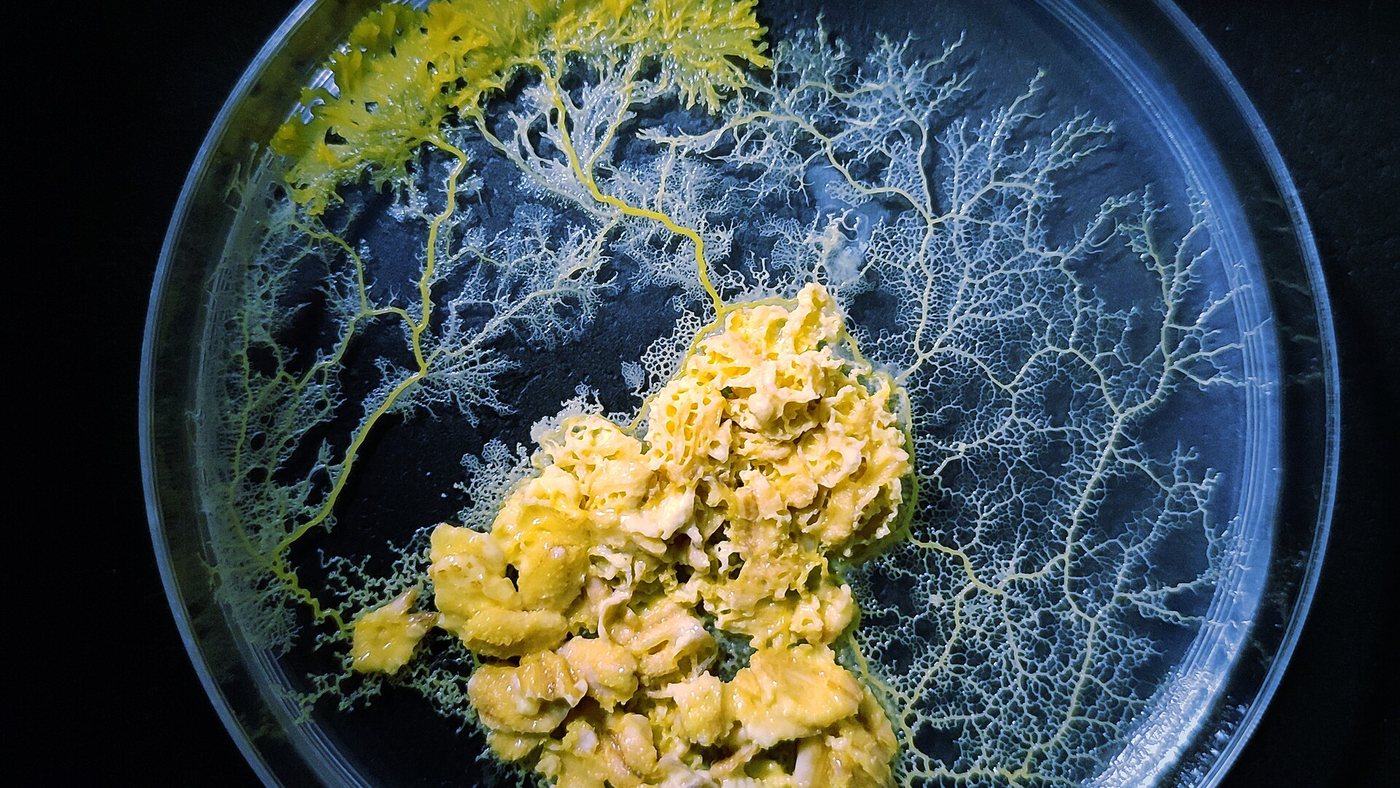
Three ways in, depending on what brought you here: understanding this strange organism, raising one at home, or checking what you already know.
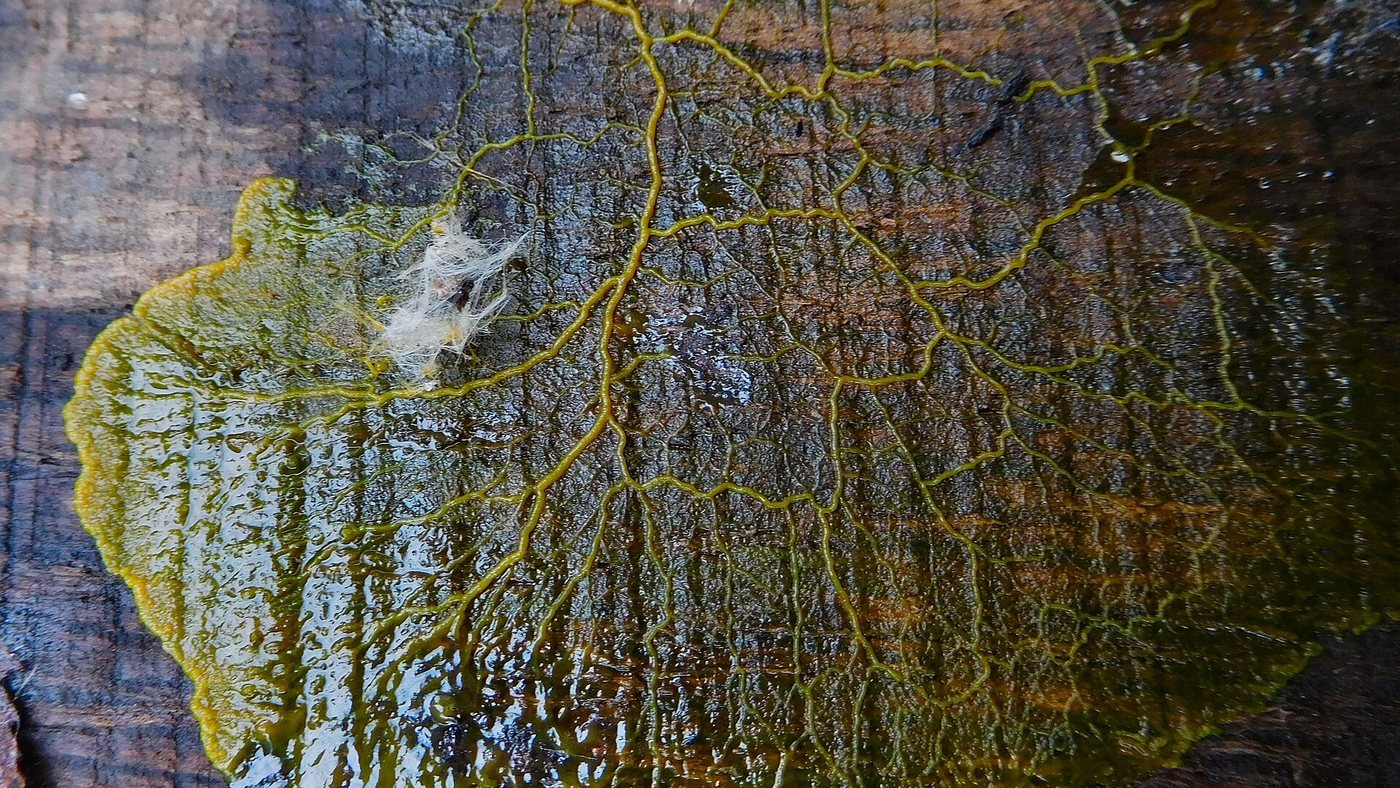 01
Not an animal, not a plant, not a fungus: what it is, where it comes from and why labs care about it.
Read the definition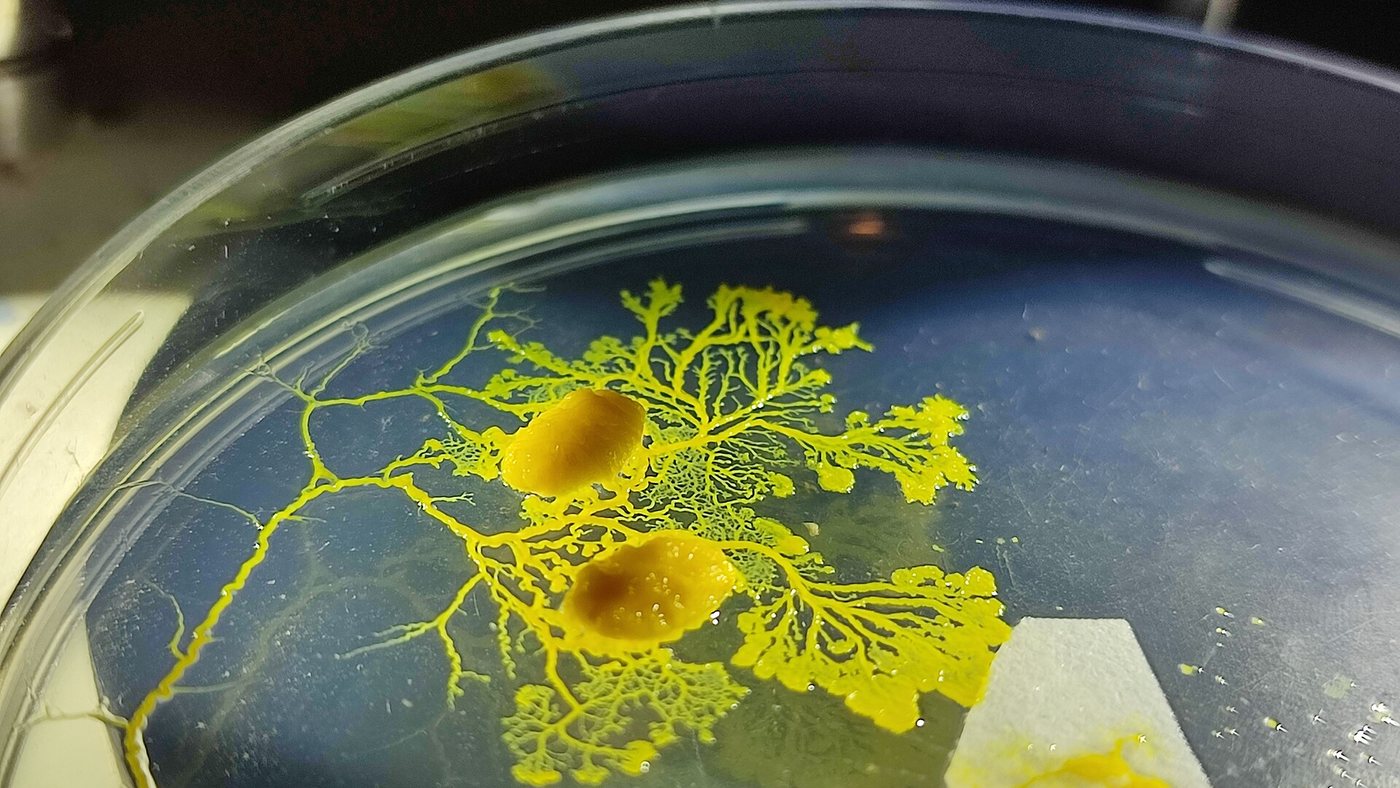 02
Supplies, setup, feeding and the first few days: everything you need to keep one alive at home.
Follow the growing guide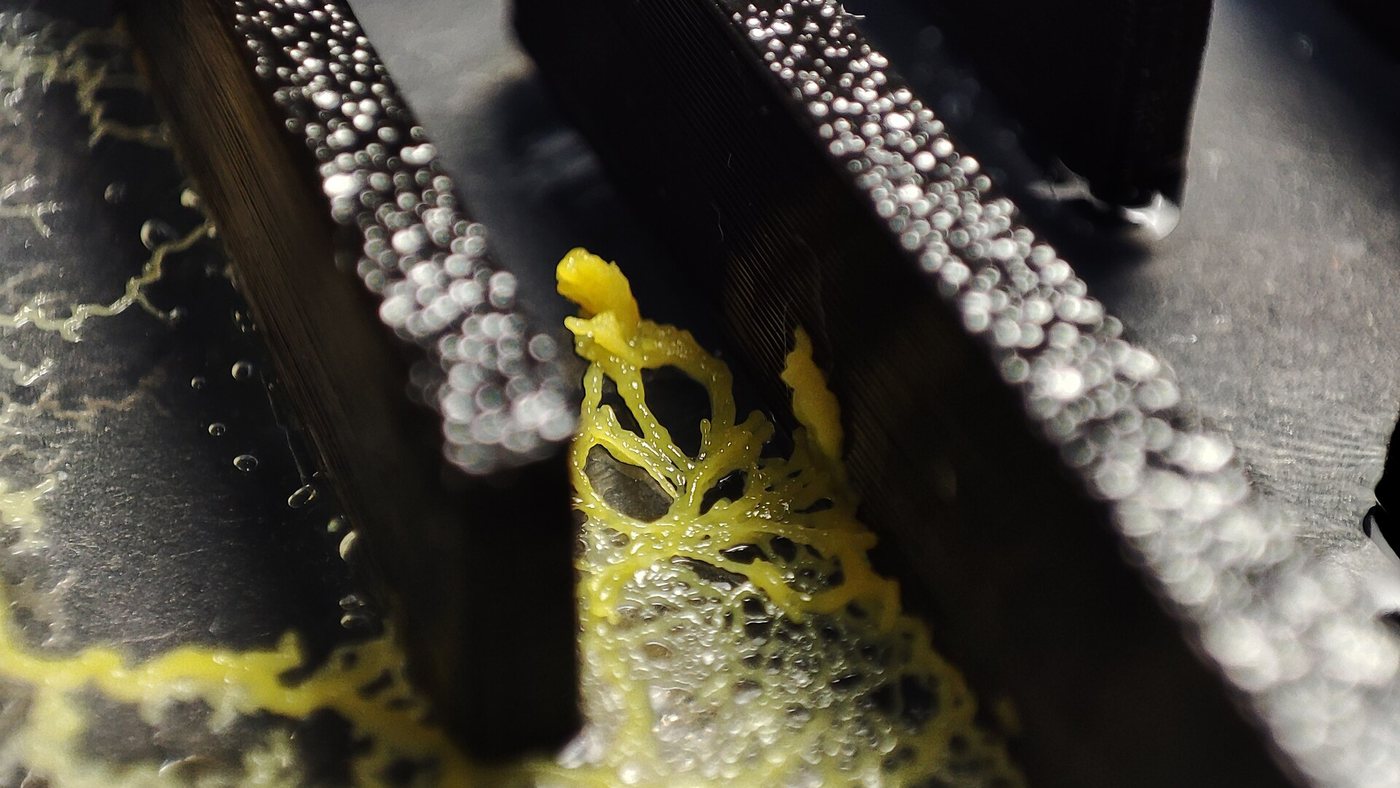 03
Ten questions with every answer explained, then an expert quiz when you want more.
Start the quizWhat science knows about it, from the experiments that made it famous to the questions still open.
 The basics
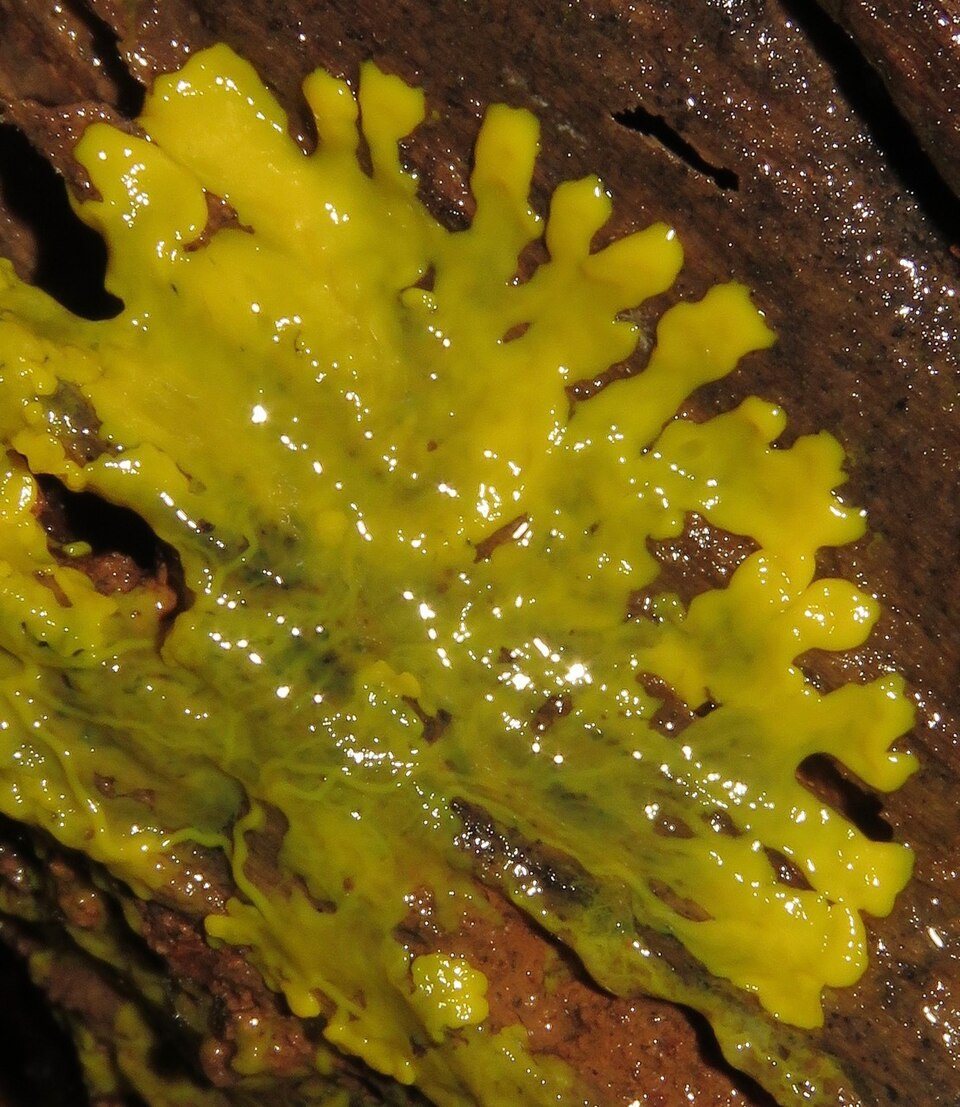
Not an animal, not a plant, not a fungus. Where it really sits in the tree of life.
 Behavior
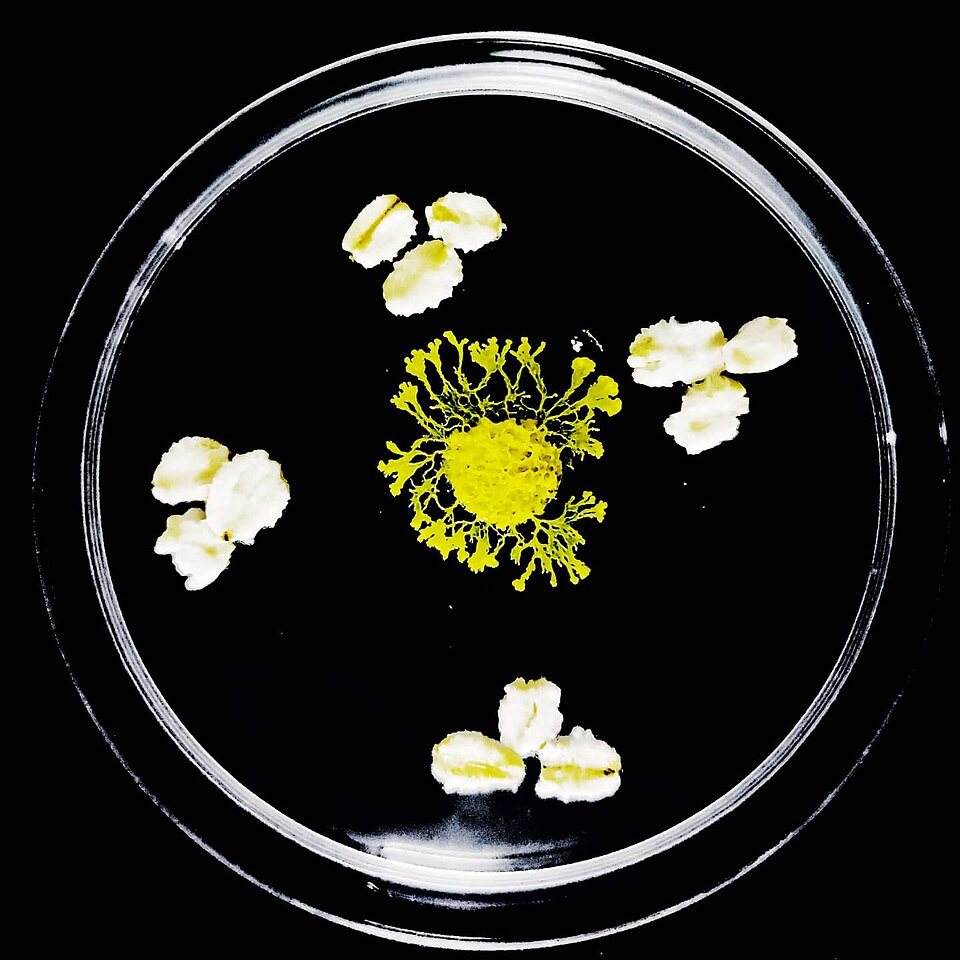
It learns, gets used to things and passes on what it learned by simply merging.
 Experiment
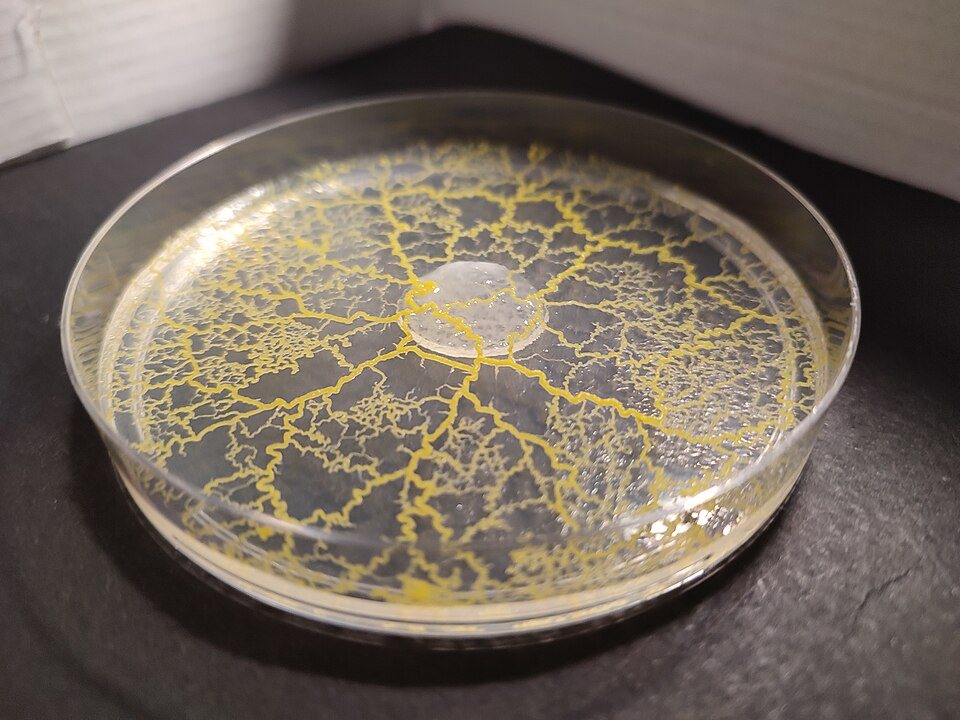
How a slime mold rebuilt the Tokyo rail network in about a day.
 Alpha mission
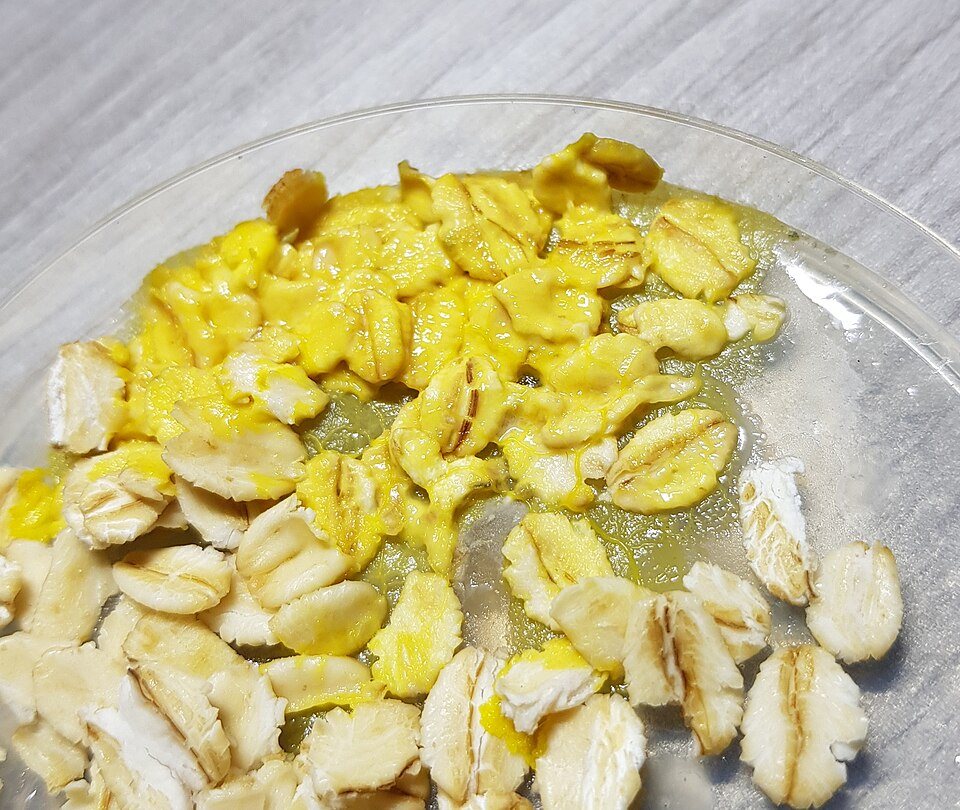
Four slime molds on the ISS with Thomas Pesquet, and thousands of classes on the ground.
 Profile
The CNRS scientist who showed that slime mold can learn.
 Identify
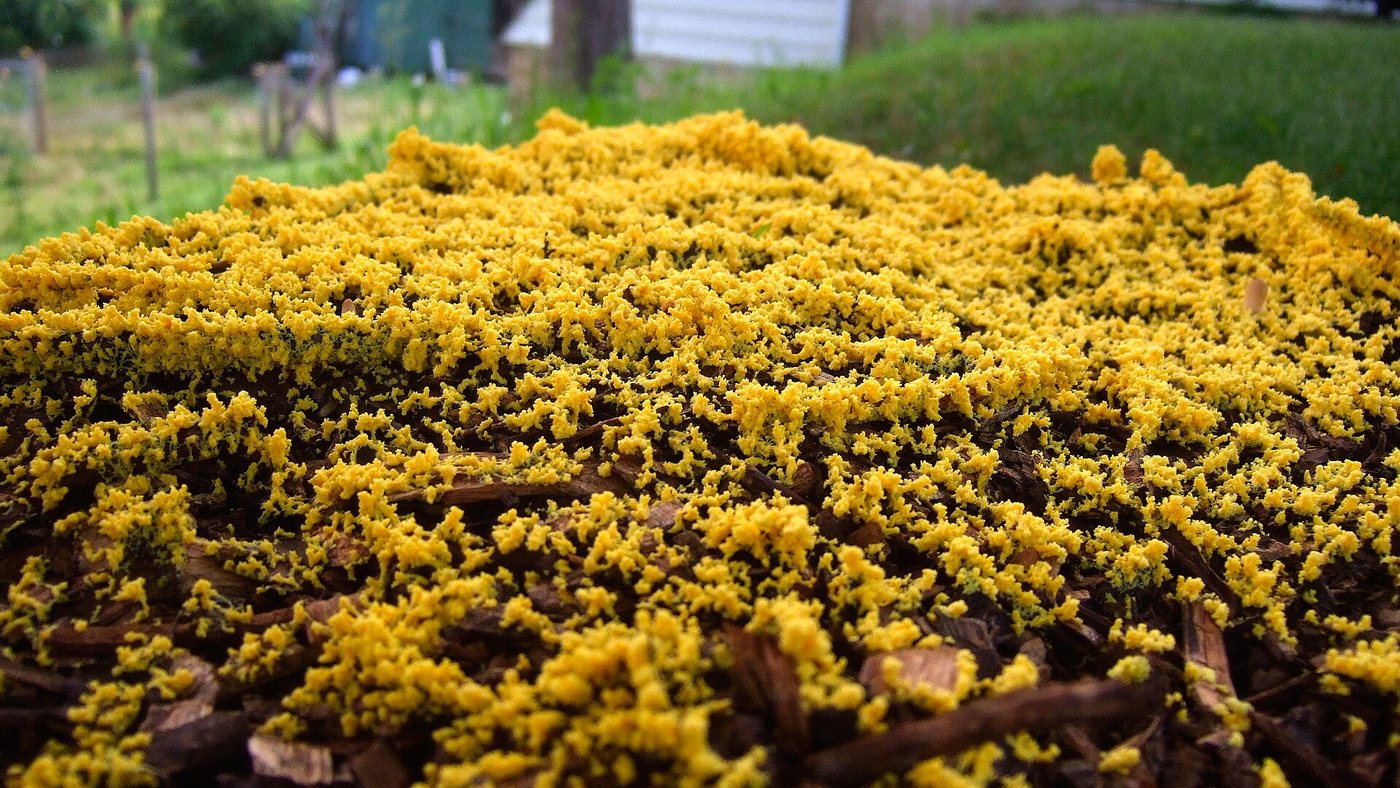
 it in two questions, and find out whether it is harmful.
 Field guide
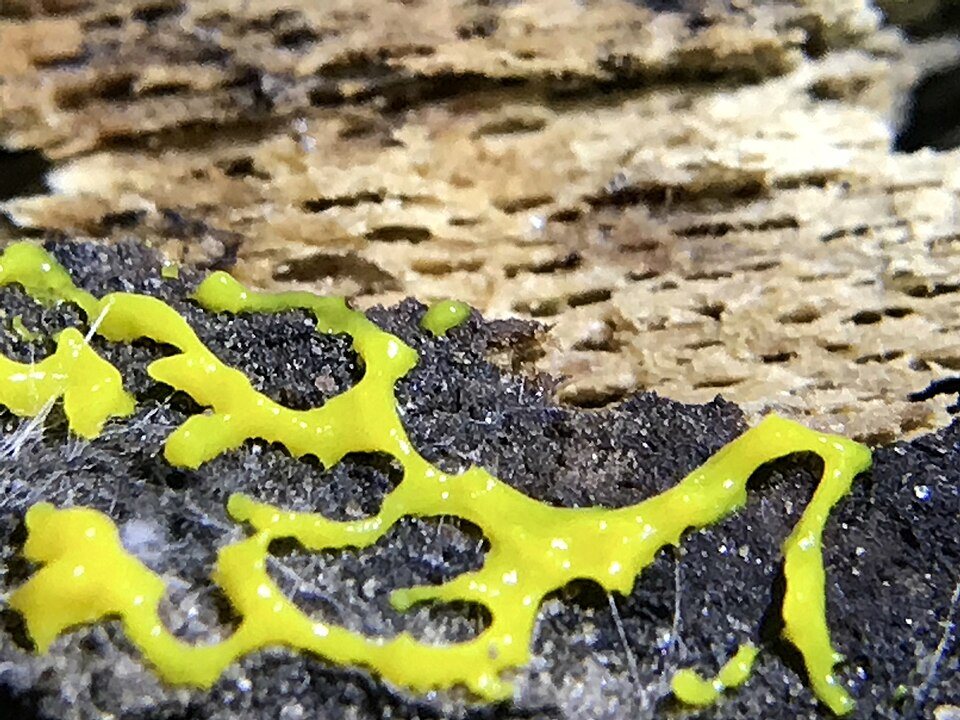
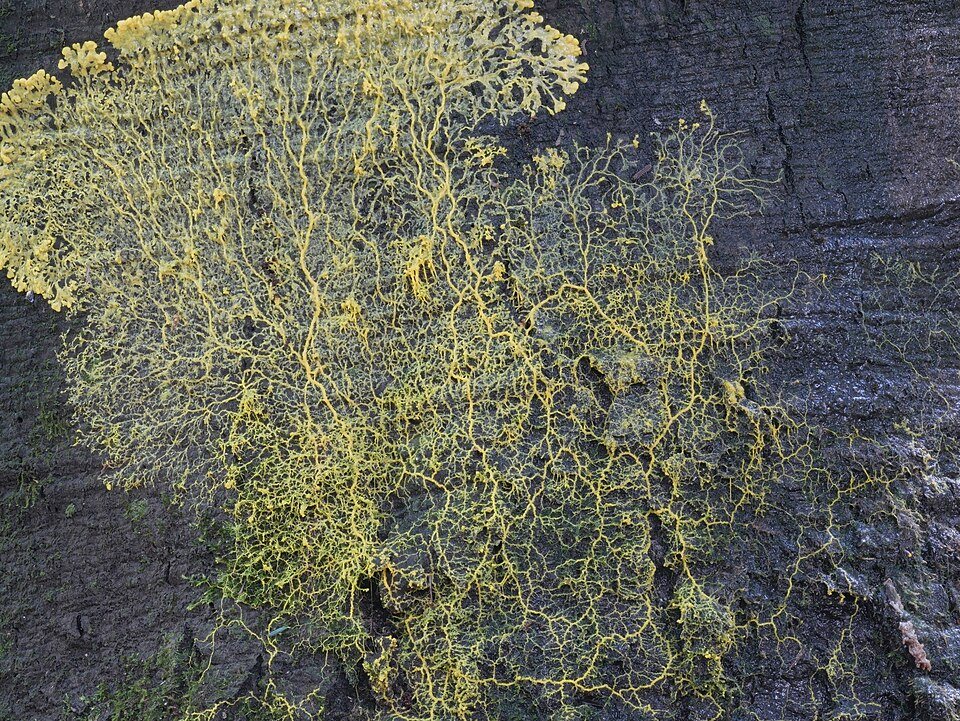
Where it lives, when to look and how to recognize it.
 By the numbers
Speed, mating types, dormancy: the measured numbers, and the ones that are not.
It is one of the easiest living things to keep at home. Five steps cover it, from getting one to putting it on pause before a trip.
Quizzes with explained answers, a test to see if you are ready, and a simulator to watch a network take shape.
Ten questions, from curious to keen, with an explanation after every answer.
True or falseTen statements to call. Some sound crazy and turn out to be true.
TestEight questions about your routine, and advice to match.
SimulatorDrop food sources and watch the network form, then trim itself.
ExpertFifteen harder questions on biology and the experiments.
Japanese researchers placed oat flakes where the stations around Tokyo sit. In about a day, the slime mold had built a network as efficient and as robust as the real train lines. Read more
They come from combinations of three genes. Two cells only pair if their combinations differ, so a slime mold is compatible with almost every partner it meets. Read more
Photos on this page: Tim Tim, Ian Alexander, Rich Hoyer, Garrett Taylor, frankenstoen, TEDx Toulouse (CC BY and CC BY-SA), jhubley (CC0), via Wikimedia Commons.